recarburizer carbon
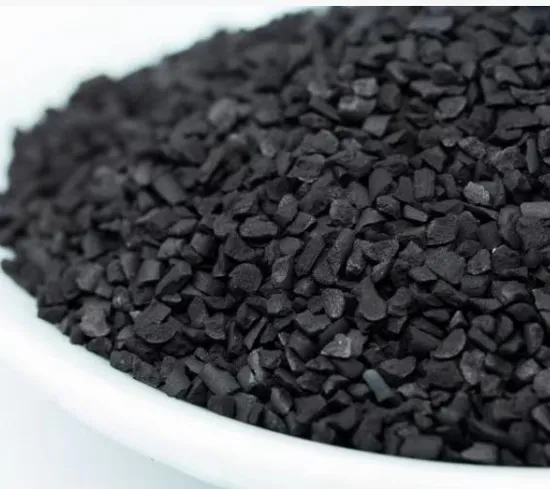
In the ever-evolving industrial landscape, the demand for high-performance carburetant solutions such as recarburizer , graphite recarburizer , and carbon raiser has significantly surged. This article offers a comprehensive technical dive into the carburetant industry, focusing on industry trends, product parameter analysis, manufacturing process visualization, and practical application scenarios. Special attention is given to the Supply Low Sulphur Carbon Additive 90% Carbon Content Recarburizer Carburizing Agent , exploring its technical specifications, factory comparisons, and customized solutions for the metallurgical and foundry sectors. 1. What is Carburetant ? Understanding the Foundation of Carbon Additives Carburetant —also known as carbon raiser or recarburizer —refers to high-carbon materials added during iron and steel making to increase and precisely adjust carbon content. These agents are critical in determining the metallurgical quality, mechanical performance, and cost-effectiveness of cast iron and steel products. Main related types include: Graphite recarburizer : High-purity graphitized carbon with excellent graphitization degree. Coal-based recarburizer: Produced from anthracite or coke; cost-effective. Petroleum coke recarburizer: Good purity, commonly used in steelmaking and foundries. Carburetant agents play a vital role in sectors such as metallurgy, ductile iron, steelmaking, cored wire production, and alloy manufacturing. Their properties—carbon content, sulphur content, ash, and absorbability—are strictly controlled to meet international industry standards such as ISO 9001 and ANSI/AIST . Industry Data Table: Benchmark Parameters for Carburetant , Recarburizer, and Carbon Raiser Product Type Fixed Carbon (%) Sulphur (%) Moisture (%) Ash (%) SEM Particle Size (mm) Application Sectors Graphite recarburizer 98-99 0.03-0.05 <0.5 0.5-1.0 0.2-3.0 Foundry, Steelmaking, Ductile Iron Coal-based recarburizer 90-94 0.15-0.25 <1.0 1.0-2.0 1.0-5.0 Ductile Iron, Cast Iron Petroleum coke recarburizer 98-99 0.035-0.05 0.25-0.5 <0.8 0.5-2.5 Steelmaking, Alloy Steels Low sulphur carbon raiser 90-98 <0.05 <0.5 1.0-2.0 0.2-3.0 Metallurgy, Chemical, Ductile Iron 2. Industry Trends: The Global Carburetant Market According to GrandView Research , the global market size for carburetant (including recarburizer and carbon raiser) was valued at over USD 2.3 billion in 2023, with an expected CAGR of 5.7% over the next five years. The demand is driven by: Rising requirements for ultra-low sulphur and high-purity additives in steel and foundry industries Growing need for sustainable, energy-efficient production processes Stricter environmental and quality standards (e.g., REACH, ISO9001) The trend clearly moves towards low sulphur, high fixed carbon , and enhanced absorption efficiency. 3. Product Focus: Supply Low Sulphur Carbon Additive 90% Carbon Content Recarburizer Carburizing Agent Product Type: Ultra low sulphur recarburizer / carbon raiser Carbon Content (Fixed): 90% (customizable up to 98%) Sulphur: <0.05% Moisture: <0.5% Ash: <1.5% Granule Size: 0.2-3mm or as required Applicable Standards: ISO 9001 , SGS Tested , RoHS Compliant Application: Steel making, Cast Iron (ductile, grey, malleable), Foundries, Metallurgical cored wire The unique selling point of this carburetant product lies in its ultra-low sulphur and high absorption rate—ensuring consistent quality and cost savings in final metallurgical output. 4. Manufacturing Process Flow: From Raw Material to High-Performance Carburetant The production of carburetant —particularly low sulphur, high carbon recarburizer—requires precise process engineering. Below is a visualized process flow and key process node explanation. 1. Raw Material Selection : Petroleum coke/needle coke or anthracite with strict impurity control ⮞ 2. High-Temperature Calcination : 1300°C-1500°C to remove volatile content, reduce S ⮞ 3. Graphitization : 2500°C to increase crystalline carbon, reduce S further ⮞ 4. Crushing & Screening : Particle size 0.2-3mm for optimal absorption ⮞ 5. Quality Testing : Carbon/sulphur analyzer, SEM imaging, standard conformance check ⮞ 6. Packaging : Moisture-proof, as per ISO9001:2015 QMS *(Video: Graphite Recarburizer Manufacturing Line)* Materials, Processing, and Testing Standards Materials: Petroleum needle coke, Premium anthracite, Synthetic graphite Processes: Calcination, graphitization, magnetic separation, sieving Inspection: Carbon/sulphur content, moisture (Karl Fischer method), SEM particle analysis, bulk density tests Conformance: ISO 9001:2015 , ANSI/AIST , SGS , RoHS End-users benefit by minimizing S and other elements (such as N, P, Fe) that may impair the mechanical performance and longevity of metal components. 5. Product Specification Table & Competitive Comparison Parameter Supply Low Sulphur Carbon Additive Common Graphite Recarburizer Coal-Based Recarburizer Petroleum Coke Recarburizer Fixed Carbon (%) ≥90 (customizable to 98) 98-99 90-94 98-99 Sulphur (%) <0.05 0.03-0.05 0.15-0.25 0.035-0.05 Absorption Rate (%) 90 85-89 75-80 80-86 Moisture (%) <0.5 <0.4 <1.0 0.25-0.5 Ash (%) <1.5 0.5-1.0 1.0-2.0 <0.8 SEM Grain Size (mm) 0.2-3 (customizable) 0.2-3 1-5 0.5-2.5 Complies with ISO√/ANSI Yes Most Few Most 6. Application Scenarios and Case Studies Metallurgy: As primary carbon source in steelmaking and alloy processing. Casting: Used in the manufacture of ductile iron, grey iron, and malleable cast iron for increasing carbon content and mechanical strength. Petrochemical: Applied for manufacturing special graphite parts, sealing devices, and filters with high carbon purity. Environmental Protection: Utilized in advanced filtration media, pollution control, and high-performance water treatment. Case Study: Application of Low Sulphur Carburetant in Automotive Ductile Iron Foundry Client: Major auto parts OEM, Germany (ISO/TS 16949 certified) Challenge: Need for ultra-low S (<0.05%) re-carb additive to reduce graphite degeneration and slag inclusions during ductile iron casting. Solution: Used Supply Low Sulphur Carbon Additive 90% Carbon Content Recarburizer . Trial melting: S in molten iron decreased to 0.021%; carbon recovery increased by 9%, mechanical properties (σb, σ0.2) improved by over 6%. Material passed Mercedes-Benz foundry supplier audit in 2023. Tested by SGS & ISO 9001 . 7. Customized Solutions and Technical Advantages Custom Carbon Level : 90% - 98% Sulphur Control : <0.05% or ultra-low S as per demand Grain Size : 0.2-3mm or tailored per foundry/steel plant requirement CNC Machining : For precision cored wire, custom density parts Moisture/Ash : Strict control to <0.5% (Moisture), <1.5% (Ash) Service System : 24h technical consulting, sample analysis, on-site process optimization All batches are certified by ISO 9001:2015 QMS , with traceability and full quality documentation. Cooperation partners include Tier-1 steel mills, foundries, and automotive parts manufacturers in Europe, North America, and Southeast Asia. Factory delivery is 7-14 days . Custom packaging and express brand options available. 8. Frequently Asked Questions (FAQ): Technical Terms & Expert Answers Q1: What is the main ingredient of carburetant ? A: The main ingredient is fixed (crystalline) carbon, derived from high-grade petroleum coke, coal, or synthetic graphite, with impurity levels (S, N, P) tightly controlled below 0.05% for advanced grades. Q2: How to select suitable carburetant for ductile iron or steel? A: Key selection criteria include fixed carbon (≥90%), ultra-low sulphur (<0.05%), moisture (<0.5%), particle size (0.2-3mm), and ISO9001-certified manufacturing. Application requirements (absorption rate, recovery, metallurgical use) must be matched. Q3: What are graphite recarburizer advantages versus coal-based types? A: Graphite recarburizer provides higher fixed C, better S/N/P removal, greater absorption efficiency (≥87%), and minimal residue. It's ideal for high-grade steel/alloy foundries or stricter environmental compliance. Q4: What is carbon raiser uses significance in production? A: Carbon raiser is mainly used to compensate carbon loss during steel/iron melting, to improve strength, ductility, and machinability. Its low-sulphur feature prevents defects like graphite degeneration or carbides. Q5: Are there standard international certifications for carburetant ? A: Yes. Leading suppliers meet ISO 9001:2015 , SGS , and RoHS requirements. Product batches are traceable and SGS-inspected where required. Q6: How to store and transport carburetant safely? A: Use moisture-resistant packaging, store in dry/ventilated spaces. Avoid contamination by organic/inorganic chemicals. Shipped as per UN 1361 (Carbon, animal, or vegetable origin). Q7: What about the application experience and client support? A: NL Graphite provides technical support, process guidance, and troubleshooting (e.g., optimizing addition method, batching, and melt absorption). Service includes free pre-shipment sample testing and post-sales tracking. 9. Lead Time, Warranty, and Customer Support Commitment Production Lead Time: 7-14 working days for standard carburetant , expedited production for urgent orders Quality Guarantee: All batches with third-party (SGS) testing records, warranty up to 18 months in correct storage conditions After-Sales: 24/7 technical hotline, detailed product traceability, rapid recall and replacement for non-conforming goods Packaging: Standard 25kg/bag, 1MT/big bag or customized with anti-moisture film Logistics: FCA, FOB, CIF, and DDP options; global delivery service 10. Conclusion: Choose Advanced Carburetant for Metallurgical Excellence The evolving demands of steel and foundry production require a transition to advanced carburetant solutions with low sulphur, high carbon, and excellent absorption efficiency. Investing in certified products such as the Supply Low Sulphur Carbon Additive 90% Carbon Content Recarburizer Carburizing Agent ensures safer, stable, and more cost-efficient output. For further reading, refer to: Expert discussion on carburizer effectiveness: SteelOnTheNet Forum "Carburizer Absorption Behavior in Cast Iron Melting": Journal of Iron and Steel Research "Quality Control in Recarburizer Supply Chains": ResearchGate Article For more details about our carburetant solutions, visit the official product page .